Table of Contents
ToggleThe internet loves a new identity trend, but few have exploded as quickly as the femboy pfp phenomenon. Scroll through timelines on TikTok, Instagram, or X (Twitter) and you’ll notice something curious: thousands of users suddenly switching their profile pictures to soft-aesthetic anime boys with feminine styles. The shift feels subtle at first. Then it’s everywhere.
For many users in the United States, this unexpected surge of the femboy pfp trend feels like a mix of internet culture, identity expression, and meme evolution. What started as niche fandom imagery has rapidly grown into a widespread social media symbol. Gen Z communities are embracing it, meme pages are amplifying it, and creators are turning it into a recognizable digital aesthetic that’s shaping how online avatars look in 2026.
The sudden rise of the femboy pfp trend online
Over the past few months, analysts tracking social media trends noticed a spike in users adopting a femboy pfp as their profile image. On platforms like TikTok and Reddit, posts discussing the aesthetic began accumulating millions of views. Hashtags connected to anime profile pictures, gender expression, and avatar culture started trending simultaneously, pushing the idea into mainstream internet conversations.
The trend’s rapid growth reflects how quickly digital communities can amplify visual identities. A single viral video explaining the meaning behind a femboy pfp can inspire thousands of users to update their profile picture within hours. Algorithms then reward engagement, spreading the images further and turning what began as a niche meme into a recognizable social media movement across the United States.
What exactly a femboy pfp represents
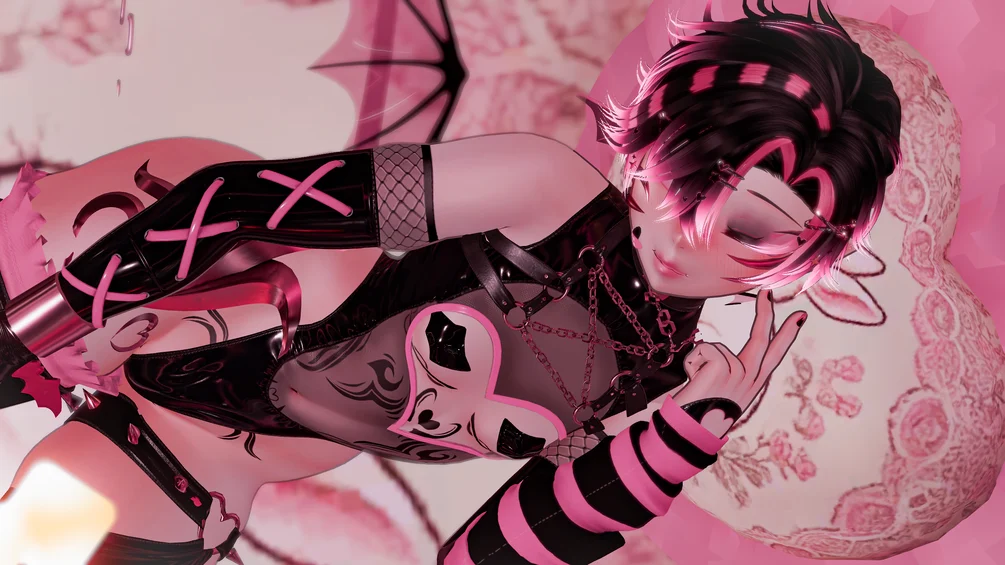
At its core, a femboy pfp refers to a profile picture featuring a male character presented with traditionally feminine aesthetics. These avatars often come from anime art styles and typically show soft facial features, pastel colors, oversized hoodies, or skirts. The style blends masculine identity with feminine visual expression, creating a distinctive and instantly recognizable aesthetic.
For many users, choosing a femboy pfp is less about labeling themselves and more about experimenting with online identity. Social media avatars have long served as digital self-expression tools, and this trend builds on that tradition. By adopting these images, users explore creativity, humor, fandom culture, and gender expression without needing lengthy explanations.
Why Gen Z is embracing the aesthetic
Digital culture researchers say Gen Z communities are particularly drawn to trends that combine identity and humor. The femboy pfp trend fits that pattern perfectly. It offers an aesthetic that feels playful, expressive, and slightly rebellious against rigid online stereotypes about masculinity.
On platforms like Instagram and TikTok, users often pair a femboy pfp with ironic captions, meme references, or gaming content. This blend of humor and identity resonates strongly with younger audiences who grew up immersed in internet culture. The result is a trend that spreads organically through communities rather than through traditional influencers.
The role of anime and digital avatar culture
Anime has played a major role in shaping modern internet aesthetics. Many of the most popular femboy pfp images originate from anime-inspired artwork shared across forums, fan communities, and digital art platforms. These illustrations often feature soft lighting, expressive eyes, and detailed character design, making them visually appealing for profile pictures.
Communities on Reddit and X (Twitter) regularly share collections of anime profile pictures that fit the femboy pfp style. Once a particular image gains traction, it can quickly become a recognizable symbol within online communities. This collaborative sharing culture allows the trend to evolve continuously, with new designs appearing almost daily.
How social media algorithms amplified the trend
Another key factor behind the viral growth of the femboy pfp trend is algorithmic amplification. Social media platforms prioritize highly engaging visual content, especially when it sparks discussion or debate. Profile picture trends naturally generate curiosity, prompting users to click profiles, comment, or share posts.
When thousands of users change their avatars simultaneously, the platform’s recommendation systems notice the surge in activity. This increased engagement pushes related content to more feeds, exposing the femboy pfp aesthetic to new audiences. As a result, what begins in niche communities quickly reaches mainstream timelines across the United States.
Critics, debates, and internet conversations
Like many viral internet trends, the femboy pfp movement has sparked debate. Some critics argue that online identity trends can oversimplify complex discussions about gender expression. Others see the phenomenon simply as another playful meme that will eventually fade as new aesthetics emerge.
However, supporters say the femboy pfp trend highlights how internet culture is evolving toward more fluid forms of self-expression. Online avatars allow people to explore different aesthetics without pressure or judgment. In many communities, the trend is treated as a celebration of creativity rather than a serious statement about identity.
What the trend says about the future of online identity
The explosive popularity of the femboy pfp aesthetic signals something bigger about how digital identity is changing. Social media profiles are no longer just simple photos of users. Instead, they have become curated representations of personality, humor, fandoms, and aesthetic taste.
Experts believe trends like femboy pfp will continue appearing as younger generations experiment with new ways to present themselves online. With AI-generated art, customizable avatars, and evolving meme culture, profile pictures may become even more dynamic in the coming years. What seems like a simple avatar trend today could represent a larger shift toward creative online self-representation.
The cultural impact of viral profile picture trends
Profile picture trends might appear small on the surface, but their cultural influence can be surprisingly powerful. When millions of users adopt the same visual aesthetic, it creates a shared online language. The femboy pfp trend has already become a recognizable symbol within meme communities and gaming circles.
From Discord servers to comment sections across TikTok and X (Twitter), the presence of a femboy pfp often signals participation in certain internet communities. That shared visual identity helps strangers instantly recognize each other as part of the same digital culture.
Could the trend evolve even further
Internet trends rarely stay static. As the femboy pfp aesthetic continues to spread, creators are already experimenting with variations. Some artists are producing original characters designed specifically for profile pictures, while others are blending the style with gaming avatars, cartoon characters, or retro internet art.
Trend analysts predict that profile picture culture will keep evolving as platforms introduce new features. Animated avatars, AI-generated artwork, and interactive profile designs could transform the simple femboy pfp into something more dynamic. In the fast-moving world of internet culture, today’s meme often becomes tomorrow’s digital identity standard.
The bottom line for social media users
The sudden popularity of the femboy pfp trend shows just how quickly internet culture can reshape online identity. What began as a niche aesthetic within anime communities has now become a recognizable symbol across major social platforms in the United States.
Whether users adopt the style for humor, artistic appreciation, or personal expression, the trend highlights the creative energy driving modern social media culture. As new avatar aesthetics continue to emerge, one thing is clear: profile pictures are no longer just images—they’re statements about who we are online.
If you’re curious about evolving digital trends, keep watching the conversation around the femboy pfp movement. Internet culture changes fast, and today’s viral aesthetic could be the beginning of an entirely new era of online self-expression.